
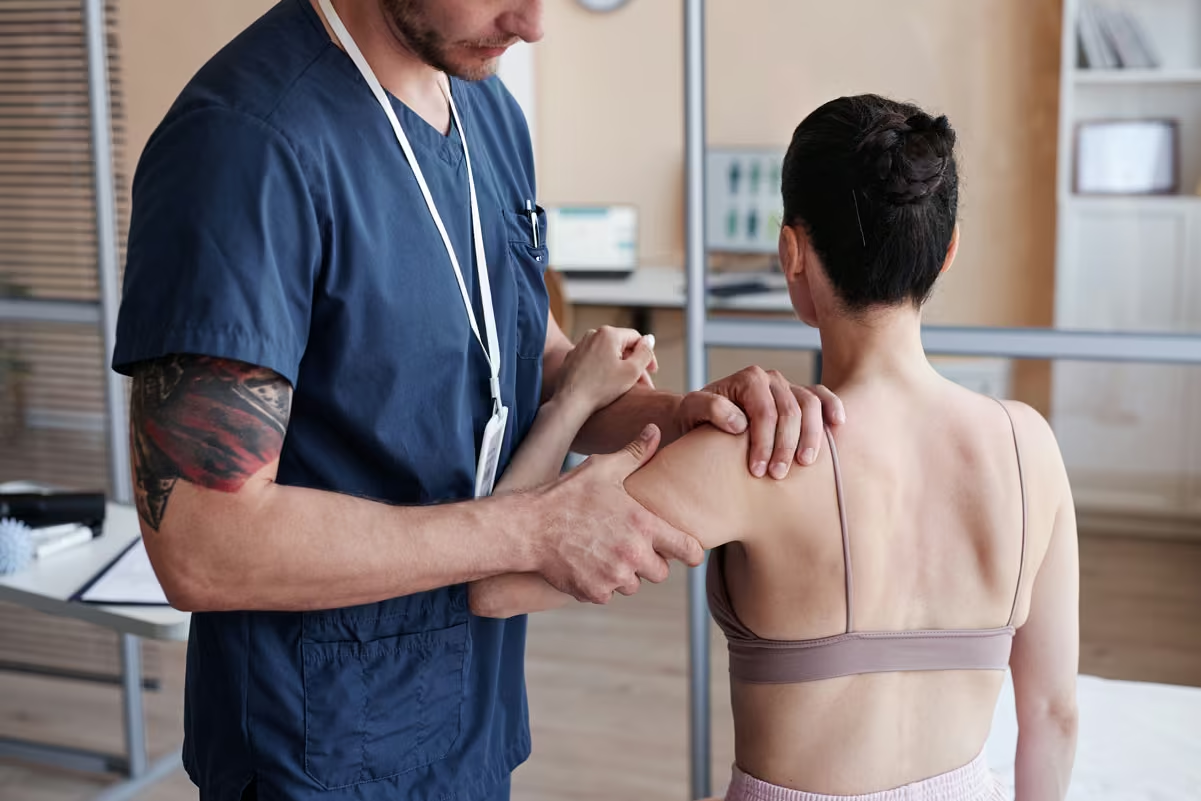
Shoulder Pain: Why Accurate Diagnosis Is Critical
The shoulder is one of the most complex and mobile joints in the body. This mobility, while essential for sport and daily life, also makes it vulnerable to a wide range of injuries. Getting the diagnosis right is critical because different shoulder conditions require very different treatment approaches.
At Liverpool Central Physio, we use diagnostic ultrasound and a thorough clinical assessment to ensure your treatment is targeted from the outset.
Shoulder Conditions We Diagnose and Treat
- Rotator cuff tendinopathy: Overload of the supraspinatus, infraspinatus, subscapularis, or teres minor tendons. Common in overhead athletes, gym users, and manual workers.
- Rotator cuff tears (partial and full thickness): Partial tears often respond very well to physiotherapy and progressive loading. Full thickness tears are assessed individually, with some managed conservatively and others requiring surgical review.
- Subacromial impingement syndrome: Pain and reduced range when lifting the arm, caused by compression of subacromial structures.
- Biceps tendinopathy: Long head of biceps tendinopathy is a common cause of anterior shoulder pain in overhead athletes and gym users.
- Acromioclavicular (AC) joint pain: Common after falls or impacts to the shoulder, and in athletes performing heavy bench pressing or dips.
- Frozen shoulder (adhesive capsulitis): Progressive stiffness and pain affecting all shoulder movements. Management depends on the stage of the condition.
- Shoulder instability: A feeling of the shoulder giving way or apprehension during specific movements, often following dislocation or in hypermobile individuals.

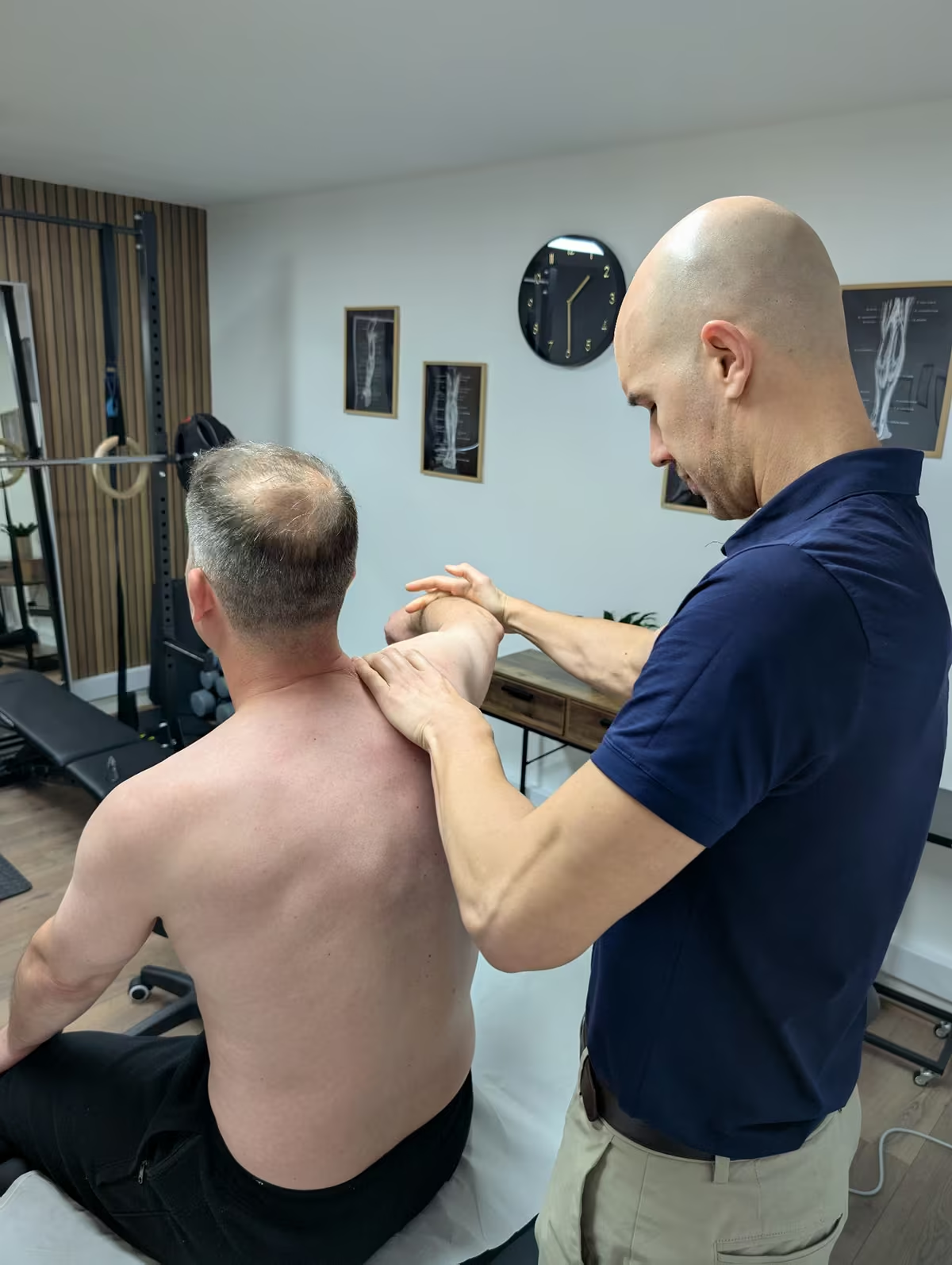
Diagnostic Ultrasound for Shoulder Pain
We use high-resolution musculoskeletal ultrasound as a primary diagnostic tool for shoulder conditions. Ultrasound has been shown to be comparable to MRI for diagnosing rotator cuff tears and superior for dynamic assessment of shoulder structures. Our assessment allows us to:
- Visualise the rotator cuff tendons: Identifying partial or full thickness tears, tendinopathy, and calcific deposits.
- Assess the biceps tendon: Examining for tendinopathy, tenosynovitis, or subluxation.
- Identify subacromial bursitis: Excess fluid in the subacromial bursa, a common finding in impingement syndrome.
- Perform dynamic assessment: Scanning the shoulder through specific movement positions to identify impingement or instability in real time.
- Guide onward referral: Where imaging suggests a need for surgical review or further investigation such as MRI for labral pathology, we will advise you clearly.
Shoulder Rehabilitation: Evidence-Based Progressive Loading
- Phase 1 - Pain management and range of motion: Settling acute symptoms and restoring movement.
- Phase 2 - Rotator cuff and scapular strengthening: Building capacity in the shoulder stabilising muscles.
- Phase 3 - Progressive loading: Gradually increasing load through the full range of movement required by your sport or occupation.
- Phase 4 - Sport or occupation-specific rehabilitation: Reintegrating the demands of your activity with criteria-based return.

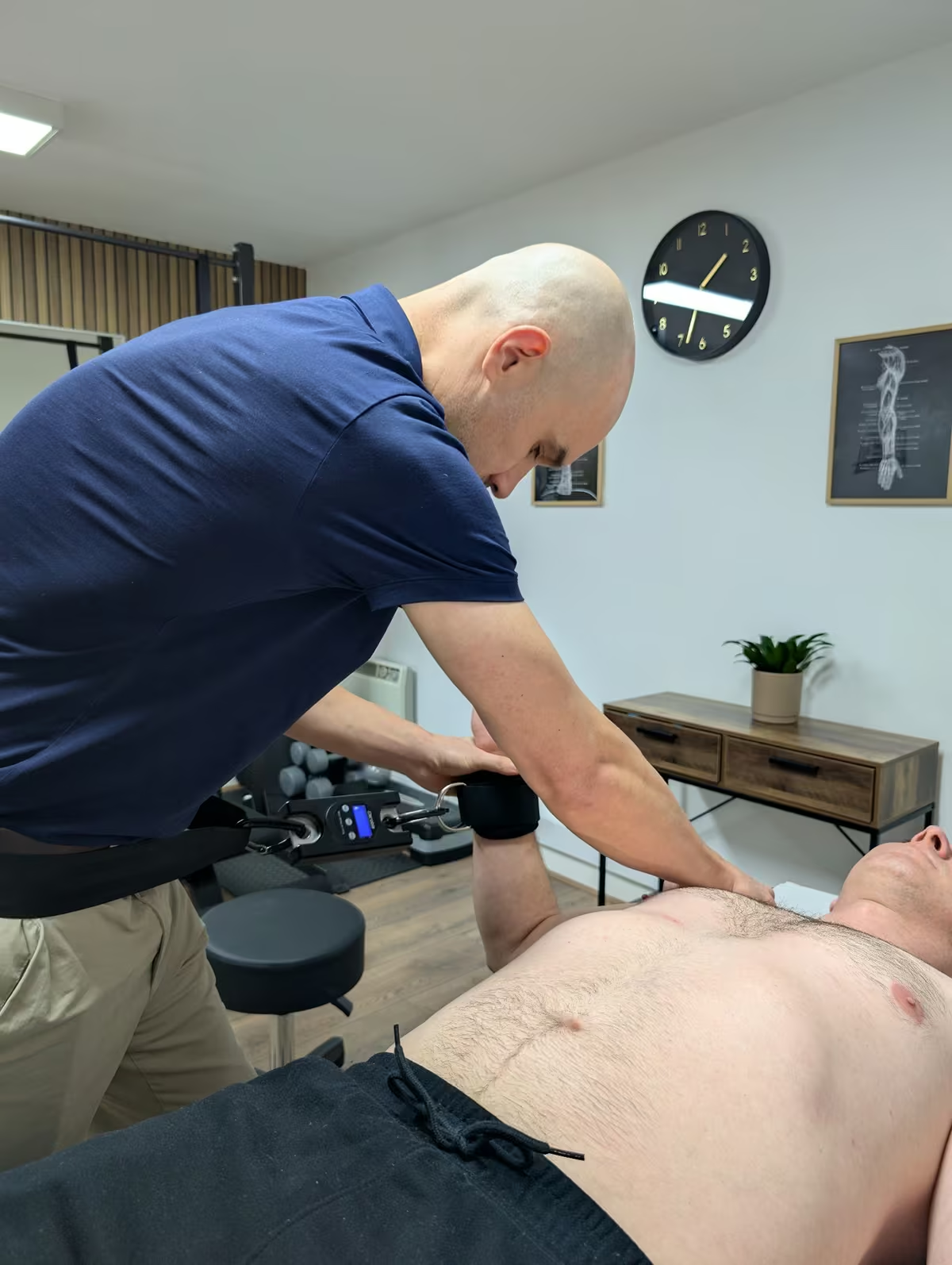
When Is Surgery Required?
The majority of shoulder conditions, including most rotator cuff tears and subacromial impingement, respond well to physiotherapy. Surgery is typically considered only after an adequate trial of conservative management, unless there is a specific indication for earlier intervention such as a significant acute traumatic tear in an active patient.
Where surgical review is indicated, we will advise you clearly and assist with appropriate onward referral.